
WinCrown · Welcome bonus200 free spins on selected slots
Reviews (9,827)
4.9Rating
18 repeatable checks
 Best casinos available in AustraliaUpdated 7 November 2026
WinCrown · Welcome bonus200 free spins on selected slots
Reviews (9,827)
4.9Rating
There is no Australian-licensed online real money casino: under the Interactive Gambling Act 2001, local operators can take online bets on sport, racing and lotteries, but not offer online pokies, roulette or blackjack. Every site offering casino games for real money to Australians is run from overseas under a foreign licence, and that single fact shapes everything else, from how deposits are processed to who you can turn to if a withdrawal stalls. This page walks through the legal picture, the money flow from first deposit to last withdrawal, and the checks worth doing before any Australian dollar leaves your account.
Australia treats betting and casino gaming very differently online. A licensed bookmaker can take your bet on the footy through an app, and you can buy lottery tickets online. What no Australian business can do is offer you casino-style games over the internet for money. The Interactive Gambling Act 2001 prohibits providing those services to people in Australia, and the Australian Communications and Media Authority (ACMA) enforces it.
The prohibition is aimed at the businesses providing the games, not the people playing them. That distinction matters, but it isn't a green light. It means the offshore site you're looking at is operating outside Australian law, and none of the local consumer protections built around licensed gambling travel with it. Our step-by-step ACMA legality check shows how to confirm what category a service falls into.
Blocked sites and what a block tells youACMA regularly asks internet providers to block access to illegal offshore gambling websites, and publishes the names of services it has acted against. If a site you were using suddenly won't load, that list is the first place to look. A block is a strong signal about how the regulator sees that operator, and it's also a practical warning: a site that can disappear from your screen overnight can also leave your balance stranded.
Playing for real money sounds simple: you deposit dollars, you play, you withdraw winnings. With an offshore operator, each of those steps passes through more hands than it would with a local bookmaker. Understanding who holds your money at each point is the most useful thing you can do before signing up.
None of that is unusual for an offshore business, but it explains why problems tend to cluster at the edges: deposits that show a strange merchant name on your statement, conversion losses you didn't expect, and withdrawals that pause at the approval step. Our payment route map traces each common route in more detail.
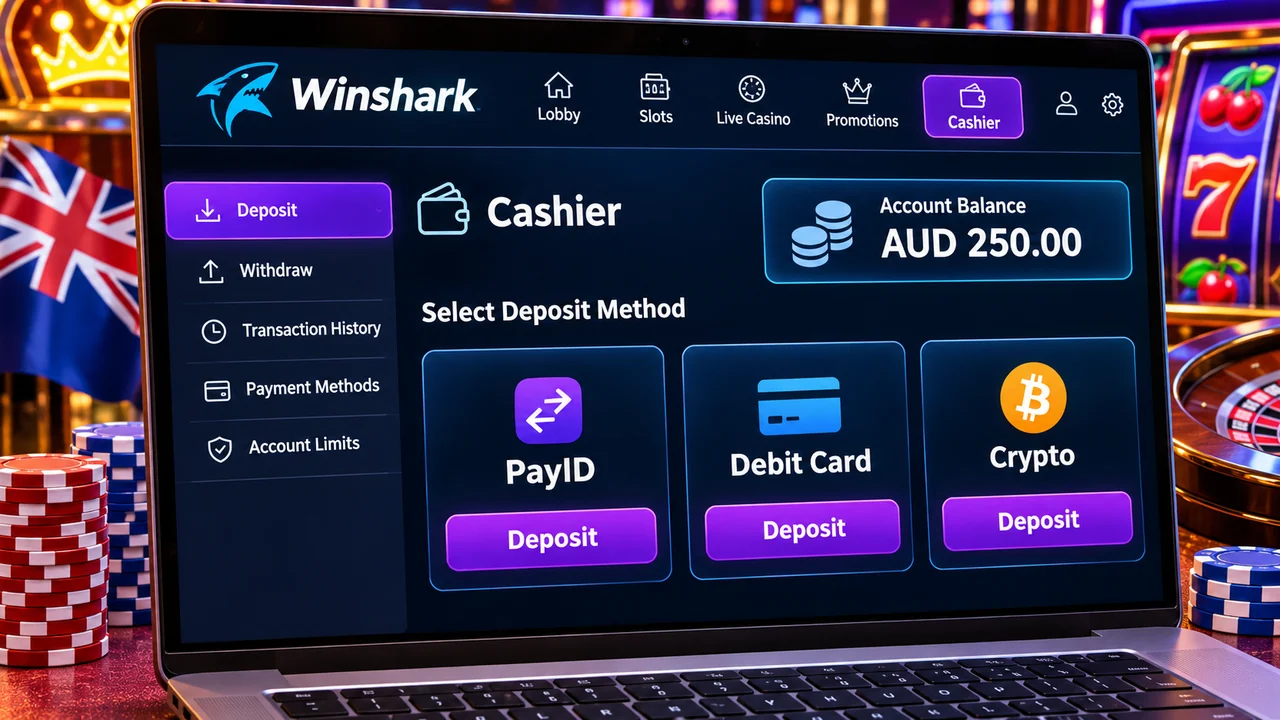
Because no Australian regulator licenses online casinos, the licence you'll see quoted belongs to another jurisdiction. That licence is worth checking, not for whether it makes the site legal here (it doesn't), but for whether the company is who it says it is and whether anyone outside the operator can hear a complaint.
A three-minute licence checkA badge that links nowhere, a licence number that returns no result, or a company name that doesn't match the terms are all reasons to stop. Our guide to verifying a casino licence covers the common ways a badge can mislead, and the Casinova licence page applies the same method to one specific brand.
The way you pay in usually decides how you'll be paid out, so it's worth choosing deliberately rather than picking whatever the cashier shows first. The table compares the routes you're most likely to see on an offshore casino aimed at Australians. Availability varies by operator and changes often, so treat this as a map of trade-offs, not a list of what any one site offers.
Credit cards deserve a separate note. Since 2024, Australian law has banned the use of credit cards for online wagering with licensed Australian providers. Offshore casinos aren't part of that licensed system, so you may still see card options, but many Australian banks decline gambling transactions with offshore merchants anyway, and using borrowed money to gamble is exactly what the ban was designed to stop.
Crypto: fast, but unforgivingCrypto withdrawals can be quick once approved, but mistakes can't be reversed. Sending coins on the wrong network or to a mistyped address usually means the funds are gone. Before any transfer, check the address character by character and confirm the network matches on both sides. Our crypto address check and crypto withdrawals guide go through the routine.
Many offshore casinos hold balances in US dollars or euros, even if the cashier shows an AUD figure. Each conversion carries a margin, and with an offshore operator you may be converted twice: once on the way in and once on the way out. The numbers below are illustrative only, chosen to show the mechanics, not to describe any operator's actual rates.
In this example, simply moving money in and out costs about A$40 before a single spin. On a small balance, that's a meaningful share; on a large one, it adds up quickly. Choosing an AUD-denominated balance where one is genuinely offered, and checking your bank's foreign transaction fee before depositing, are the two easiest ways to keep that leakage down. The detail is in our currency conversion guide.
Welcome offers are often the loudest thing on an offshore casino's homepage. The headline percentage tells you very little. What you need is the obligation in dollars: how much you'll have to wager, by when, at what maximum bet, and on which games.
Take an example with made-up terms. A 100% match on a A$100 deposit with a 40x wagering requirement on the bonus means A$4,000 in bets before the bonus money can be withdrawn. On pokies with an assumed long-run return of 96%, A$4,000 of turnover costs about A$160 on average. The expected cost is larger than the A$100 bonus. That doesn't mean every bonus is a bad deal, but it does mean you should do this arithmetic before you opt in, not after.
Our bonus terms checklist turns these points into a quick routine, and bonus maths shows the formula for any wagering figure. If an offer claims to be wager-free, checking a no-wagering claim explains what to look for.
Most offshore operators let you deposit and play before verifying who you are, then ask for documents when you try to withdraw. That order is convenient for them and frustrating for you, because the first withdrawal is when you least want a delay.
Flip the order. Before depositing anything substantial, find out what the site requires: usually photo ID, proof of address and sometimes proof of the payment method, such as a card with most digits covered or a screenshot of your wallet. Submit them early and wait for confirmation. If an operator can't tell you clearly what it needs, that's useful information in itself.
Protecting your documentsIdentity documents are valuable to fraudsters and stay valid for years. Upload them only through the operator's secure account area, never by email to an address you haven't verified, and never to someone who contacts you claiming to be from the casino. Our guides to KYC preparation and KYC document safety cover what to send and what to hold back.
A realistic withdrawal timelineA withdrawal from an offshore casino typically passes through three stages: a pending period while the operator reviews the request, processing by the payment provider, and arrival at your bank or wallet. Each stage has its own delays, and operators set their own pending periods in their terms. Write down the date and time of each status change. If the process stalls, that record is the most useful thing you'll have. The withdrawal timeline guide explains each stage, and what to do when a withdrawal is delayed covers the steps to take.
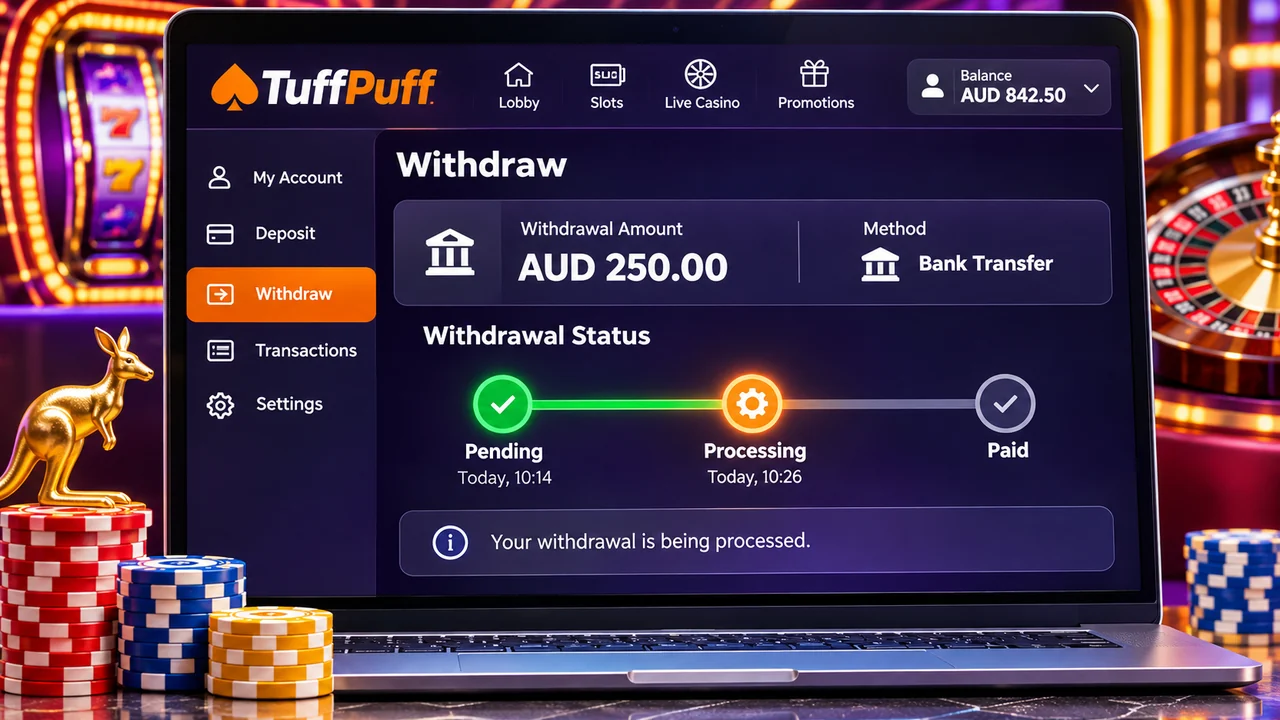
This is where the offshore model shows its biggest weakness. With a licensed Australian bookmaker, a dispute can go to a state or territory regulator. With an offshore casino, there's no Australian body that will step in to recover a balance. Your options depend on the foreign licence and the payment route you used.
Whichever route you take, evidence decides the outcome: screenshots of your balance, the terms as they stood when you played, chat transcripts and a dated log of requests. Our dispute evidence pack lists what to collect, and preserving support transcripts shows how to keep chat records that hold up. Complaints about one specific brand are tracked on the Casinova complaints page.
Offshore casinos that get blocked often reappear at new addresses, and fraudsters exploit that habit. A lookalike site can copy a casino's logo, colours and promotions in minutes, take your deposit and your login, and vanish. The warning signs are consistent:
Never follow a link to a casino from a message, however official it looks. Type the address yourself or use a bookmark you saved earlier. Our phishing and mirror-domain checks explain how to tell an operator's genuine new address from a copy.
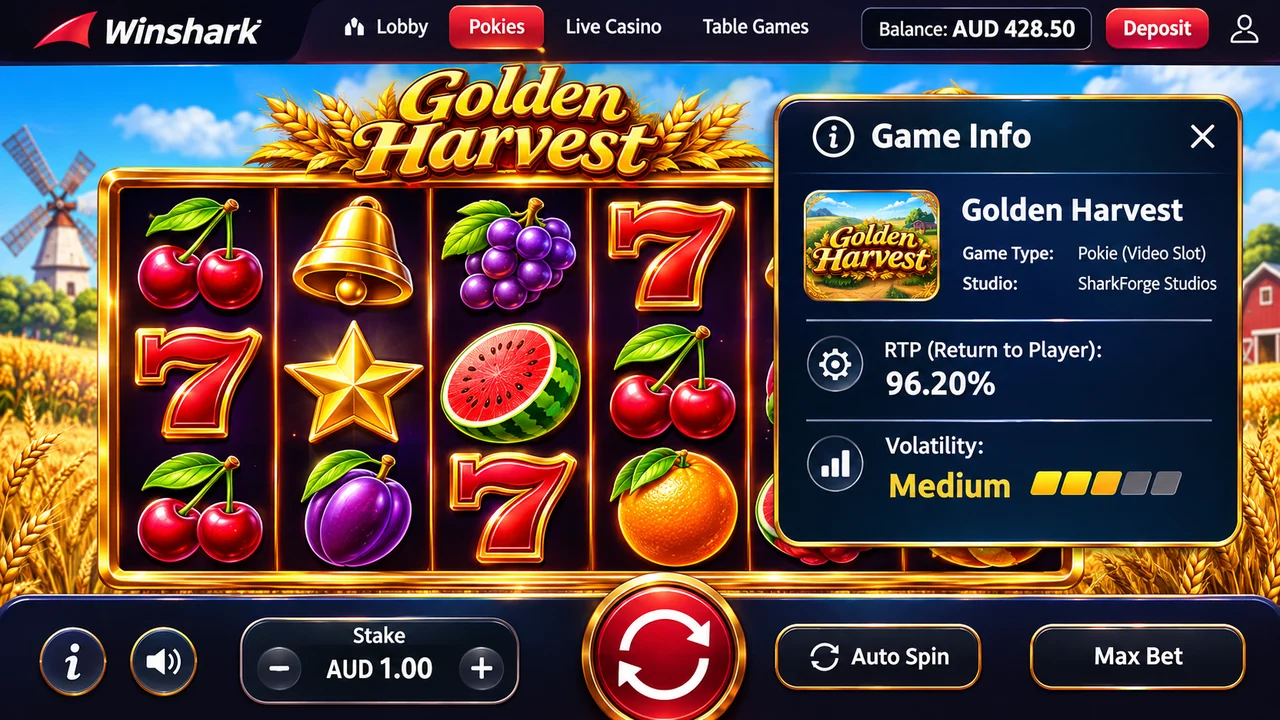
The games on an offshore casino look the same as their free demo versions, but the version loaded for real money can be configured differently. Many pokies are released with several return-to-player settings, and the operator chooses which one to run. The figure on a review site or in a provider's marketing may not be the one you're playing.
Open the game's information or help screen before you play and look for the RTP stated for that specific build. If it isn't shown, treat the return as unknown. Volatility matters as much as RTP for what a session feels like: a high-volatility game can drain a balance quickly before paying a large win, or never pay it at all in the time you play. Our explainers on RTP and volatility and bankroll cover both, and checking a game configuration shows where to find the settings.
If you've weighed the legal picture and still intend to play at an offshore real money casino, this list covers the checks that prevent most of the problems readers report to us.
For the budgeting side, our safer play plan gives a simple framework. If you want a brand-specific view, Casinova in Australia applies these checks to one operator.
Gambling is for adults 18 and over. If you'd like to talk to someone, Gambling Help Online offers free, confidential support on 1800 858 858, and our responsible gambling page lists further resources.
The Interactive Gambling Act targets businesses that provide prohibited online gambling services to people in Australia, not the individual player. That doesn't make offshore casinos legal or safe here: you have no Australian regulator to turn to if something goes wrong.
No. Australian-licensed operators can offer online sports and racing betting and lotteries, but not online pokies or casino table games. Any site offering real money pokies online to Australians is operating from overseas.
Many Australian banks restrict or block gambling payments to offshore merchants, and credit cards are banned for online wagering with licensed Australian providers. A decline is your bank's decision; trying repeatedly or through workarounds can lead to your account being reviewed.
For most people gambling is treated as a hobby, and winnings aren't usually taxed as income. If gambling is run as a business, the position can differ. For your own situation, check with the ATO or a registered tax agent.
ACMA publishes a list of illegal gambling websites it has asked internet providers to block. Search the list on ACMA's own website by typing its address directly, rather than following a link from a casino or forum.
Advertisement · 18+
A venue has opening hours and a dress code. Online the pokies, the live roulette and the sport are open at any hour, with a demo mode before you stake anything.
See the current offer